
Refined Outfits Now at Lower Prices - Grab Our Collection at 20% Flat Off!
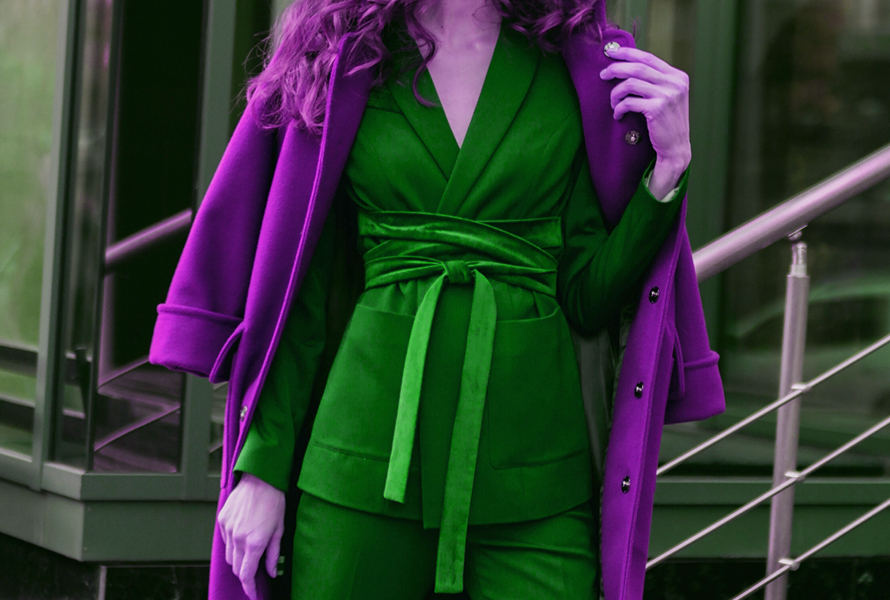
You should feel excited, rather than uncertain, when you buy a new dress. Have you ever purchased a beautiful dress, only to later realize that it doesn’t fit you well? Everyone has been there!
Besides, sometimes a dress you purchased might just feel uncomfortable or might not simply suit your lifestyle. Your wardrobe fills up with pieces that are rarely worn, all thanks to impulse buying, attractive discounts, or even fast-changing trends.
Want to change this experience? Well, you must embark on a thoughtful approach. A practical checklist can be effective here. Just follow it and you’ll notice that every addition to your wardrobe serves a purpose, fits well, and offers you with enormous styling flexibility as well.
Your checklist is your decision-making guide. You should not always rely on appearance of a dress or its trend appeal, instead you should evaluate its comfort, usability, and even long-term value. A checklist makes it possible and easy to do!
Here are a few benefits of using a checklist:
You are more likely not to regret later, if you’re making sure that every item you purchase has cleared your set of criteria.
Ask yourself one important question, before you start looking for style or color of a dress, “Where will I actually wear this piece?”
Some of the common purposes for which you might buy a dress include:
When you’re purchasing a dress without any clear purpose, it’s more likely to gather dust at the back of your wardrobe, completely unused. Are you unable to find at least one realistic occasion for making the purchase? reconsider or totally skip it.
Labels are unreliable indicators of comfort. The simple reason being, sizing varies across brands. You must always evaluate how the dress fits on your body. Stop focusing on the number printed on the tag.
These are the key areas that you must review:
While trying the dress, sit, walk, and move to understand the fit better. When your dress is fitting appropriately, it will allow greater ease of movement throughout the day.
How often you wear a dress depends on the fabric of your dress. The material must be comfortable, otherwise even a highly visually appealing design becomes impractical.
Ask yourself:
In warm environments, lightweight fabrics are the correct choice. Conversely, you mut use structured materials during formal occasions.
You will get multiple styling possibilities with a smart purchase. Try imagining three different ways of styling a dress:
If a dress works for only one specific moment, its long-term usability may be limited.
How a dress integrates into your existing wardrobe, largely depends on the color of the dress. Consider the following before purchasing anything:
You will get greater styling flexibility, if you’re sticking with neutral or adaptable colors. If you want to stick with statement shades, make sure that they’re thoughtfully chosen.
The durability of your outfit depends on its quality. You must always check for the following things:
Future issues such as loose threads or fabric damage can be prevented with a quick inspection of the quality. This helps in preventing chances of damage after minimal use.
Special washing or storage conditions may apply for some of the products you purchase. This may not suit your everyday routines, and thus, always review the maintenance label and ask yourself the following things:
Easier to reuse dresses are generally low-maintenance, which immediately becomes your wardrobe favorite as well.
Want a dress to work across multiple seasons, with minor adjustments? Stick to practical dresses only. You should always consider if the dress can be appropriately styled with the following:
If you’re looking to extend the usability of a product throughout the year, choose layer-friendly dresses.
Focusing only on mirror appearance is a big issue, as you tend to neglect real-life comfort! This matters too, and you should always test a dress by doing the following:
Sitting down
Walking naturally
Raising your arms
Bending slightly
You might not get lasting comfort in a dress, which you need to adjust constantly.
Practicality in different environments is affected by the length of a dress. You should think about the given areas:
Are you looking for confidence throughout the day? Them choose a dress with a suitable coverage. It’s highly important!
While trends can be inspiring, purchases which are driven by such trends end up losing their appeal faster. Before purchasing a dress, always ask yourself whether you’ll wear the same dress next year or not.
Getting uncertain answers? Balance the trendy elements with timeless design features.
Expected wear of frequency is a critical element that you might not be considering. Even more than price, focusing on this can be beneficial in the long run.
Here, a highly helpful mindset includes:
You are bound to get greater value from a frequently worn dress, rather than sticking to rarely worn alternatives. This is an important area to consider in the long run.
Understanding store policies before finalizing a purchase can be beneficial. You must understand the policies regarding returns and exchanges, as knowing these options can help you stay reassured, if a fit or sizing concern arises later.
You can create quiet confidence if a dress truly works. It’s not just about momentary excitement anymore. The following signs indicate a strong purchase:
You tend to be more satisfied, when your confidence is built on practicality, and not on impulse purchasing.
Trends or discounts don’t define a smart dress purchase. Rather, it’s decided by how well a piece of garment fits your lifestyle. This checklist stated above can be beneficial for you in a lot of ways. It aligns your purchases with your needs, personal style, and even daily comfort as well.
So, are you making mindful decisions while shopping for a dress? It’s essential for you to shop confidently, minimize regrets, and even enjoy a wardrobe, which is filled with dresses that you genuinely love.